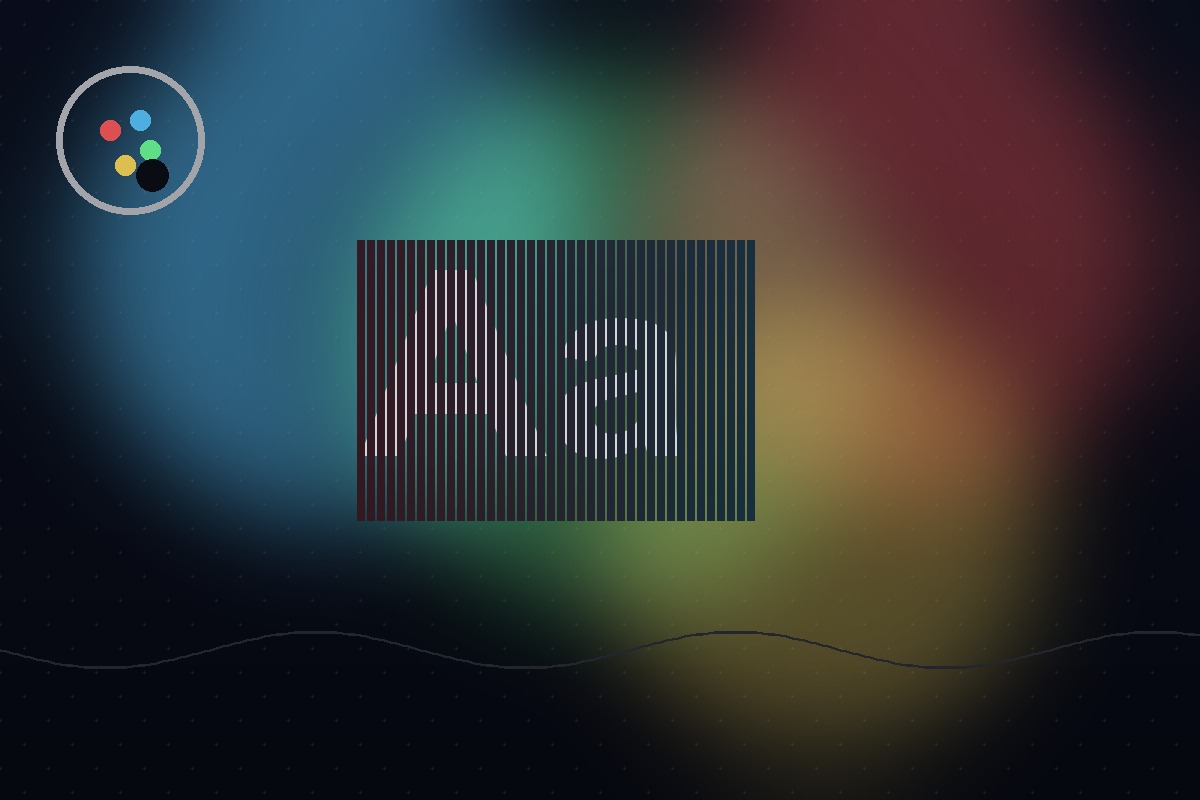
What Is a Color Font (And What COLRv1 Changed)
Color fonts let a typeface include multiple colors, gradients, and layered shapes inside the font itself — not as SVGs or images. That matters for:
- Real text selection and accessibility
- Crisp vector rendering at any size
- Fewer separate assets to manage
The modern milestone is COLRv1: a vector-based color font format supported across modern browsers in 2026.
When Color Fonts Make Sense in 2026
Color fonts are great for:
- Brand wordmarks and hero headlines
- “Sticker-like” UI labels or badges
- Seasonal campaigns (without shipping a pile of images)
- Emoji-like iconography that must scale cleanly
They are usually not great for:
- Long-form body text (visual noise + weight)
- Heavy localization where glyph coverage is incomplete
How to Ship Color Fonts Safely (Fallbacks Matter)
The #1 production mistake is forgetting fallbacks. Treat a color font as an enhancement:
.brand-headline {
  font-family: "BrandColor", "BrandSans", system-ui, -apple-system, Segoe UI, Roboto, sans-serif;
}
Then ship a regular non-color family as the reliable baseline.
If you need a refresher on delivery formats, read: Web Font Formats Explained.
Performance Considerations
Color fonts can be heavier than standard text fonts — especially when you embed complex shapes.
In 2026, treat them like you treat hero images:
- Load only on pages that need them
- Use
font-display: swapto avoid invisible text - Avoid shipping multiple redundant weights
If your font file is huge, subsetting may help only if your license allows it: Font Subsetting.
Licensing: Color Fonts Are Still Fonts
The format doesn’t change the rules:
- Open-source families are usually OFL/Apache
- Commercial families require explicit web embedding rights
- “We exported it” isn’t proof of license
Start with: Font Licensing 101.
How to Verify What You Shipped
Color typography often sneaks in through:
- Design system packages
- Marketing microsites
- “Icon font” tooling that bundles unexpected fonts
A font audit should confirm:
- What font files are requested
- Where they come from (self-hosted vs CDN)
- Whether any match known commercial families
Run a website scan → to inventory what’s actually in production.
Conclusion
COLRv1 makes color typography practical on the web in 2026 — but you still need sensible fallbacks, performance discipline, and the right license. Treat color fonts as an enhancement layer and you’ll get the visual upside without production regressions.